Old Clee Primary Academy
The Well-being Team
MENTAL HEALTH AND WELL-BEING
At the heart of our school community lies a fundamental belief that the wellbeing and positive mental health of every child, member of staff, governor, and family is essential to creating a positive, nurturing, and successful learning environment.
We recognise that children thrive academically, socially, and emotionally when they feel safe, secure, valued, and supported. A strong sense of belonging enables children to develop confidence, resilience, and a love of learning, allowing them to reach their full potential. We are committed to promoting positive mental health and emotional wellbeing across our school community and fostering an open culture where children's voices are listened to, valued, and respected.
Equally, we believe that staff who feel respected, appreciated, and supported are better equipped to foster positive relationships, provide high-quality teaching and care, and model the values that underpin a healthy school culture. We recognise that supporting the wellbeing of our staff and governors is fundamental to sustaining a positive and caring environment for all.
We also acknowledge the vital role that families play in a child’s development and wellbeing. When parents and carers feel welcomed, connected, and actively involved in school life, strong partnerships are formed that enhance outcomes for children and strengthen the wider school community.
Through effective policies, procedures, and pastoral support, we strive to create a safe, inclusive, and supportive environment for everyone. We recognise that mental health challenges can affect individuals both directly and indirectly, and we are committed to ensuring that all members of our school community receive understanding, support, and appropriate guidance when needed.
Our approach is therefore guided by a simple yet powerful principle:
When children feel safe and supported, they learn more effectively. When staff feel valued and respected, they are better able to support others. When families feel connected and involved, the whole school community becomes stronger.
This belief underpins all aspects of our wellbeing provision and informs our commitment to creating an inclusive, caring, and supportive environment in which every individual can flourish. By promoting positive mental health, encouraging open communication, and ensuring that every voice is heard, we aim to create a school culture where everyone feels a sense of belonging, is supported to overcome challenges, and can achieve their full potential.
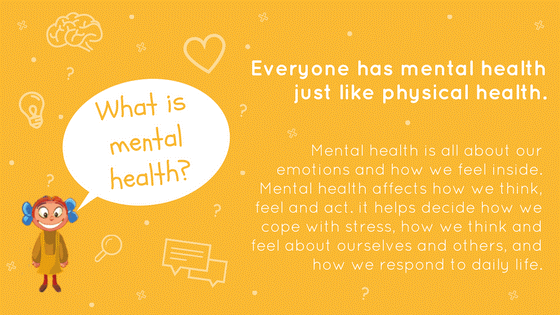
Understanding and responding to our Mental Health and Well-being needs is something we believe in passionately here at Old Clee Primary Academy. We aim to take away the stigma and negativity around Mental Health and help our staff, pupils and families to talk openly.
At Old Clee, we recognise that good mental health is as important as good physical health. Our pupils are taught self-care techniques, including recognising and managing emotions, exercise, relaxation and how to build relationships through a rich and varied curriculum. We teach our children how they can help others with their mental health in age appropriate ways.
As an academy, we use the DfE's guidance, Mental Health and Behaviour in Schools, as a guide and work to their ideals:
-
Prevention: creating a safe and calm environment where mental health problems are less likely, improving the mental health and well-being of the whole school population, and equipping pupils to be resilient so that they can manage the normal stress of life effectively. This will include teaching pupils about mental well-being through the curriculum and reinforcing this teaching through school activities and ethos.
-
Identification: recognising emerging issues as early and accurately as possible.
-
Early support: helping pupils to access evidence based early support and interventions.
-
Access to specialist support: working effectively with external agencies to provide swift access or referrals to specialist support and treatment.
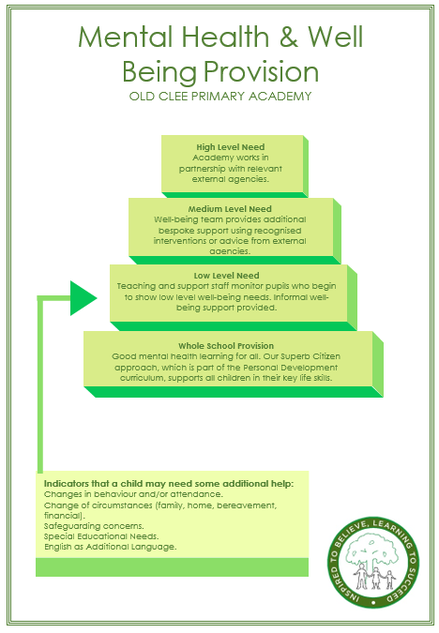
HOW DO WE SUPPORT MENTAL HEALTH AT OLD CLEE PRIMARY ACADEMY?
- Whole Academy Provision - The foundation for our mental health offer is our Whole Academy Provision. Learning about mental health is part of our Personal, Social and Health Education (PSHE) curriculum for all children. This teaching and learning for all is part of the Prevention phase of mental health, mentioned above. Pupils receive 30 minutes of dedicated PSHE teaching each week.
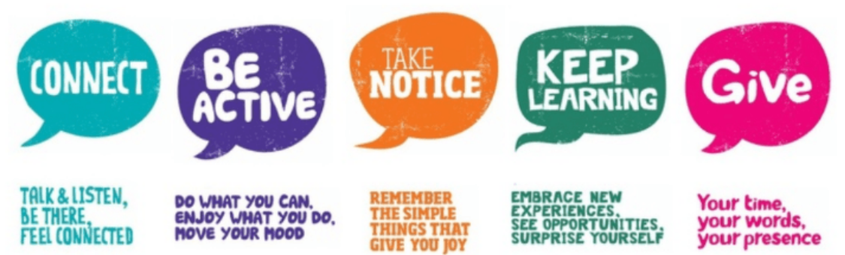
- We also have dedicated Mental Health Days when we promote and celebrate good mental health for all through The Five Ways to Well Being.
- Low Level Needs - This is the Identification phase, from the the DfE model. We have a variety of ways that our pupils can let us know how they are feeling. Each class has an emotional register that children fill in on entry to school each morning. Pupils simply self-register themselves and will write their initials next to the thumbs up or thumbs down icons before they get ready for the day. Staff can then pick on pupils' state of mind and chat to them about it. If staff feel further support for the pupil is needed, they will alert a member of the Well-being Team who will further action this. Our staff have been trained by Compass Go, a charity providing health and well-being services for children, families and communities to help them identify when a child may need some additional support.
- Medium Level need - Individualised Support for our pupils who may be experiencing mental health and well-being difficulties. After identifying and talking to parents, providing some support for the pupil is the next step. This is the Early Help phase. Getting support in a timely fashion can stop a mental health issue from developing further. There are lots of ways we can support pupils in academy, which can range from being very light touch (e.g. a simple chat, organising a playtime buddy or a daily check-in to see how they are feeling) to a series of individual or group sessions with a trained staff member using recognised support programmes and interventions. Miss Webster is a trained ELSA - Emotional Literacy Support Assistant - meaning she can develop and deliver individualised support programmes to meet the emotional needs of children.
- High Level Need - Signposting to External Support - occasionally, some pupils may benefit from expert mental health professionals. We can help families to access this support. We will work with these agencies to provide support in academy as best we can.
- Capturing the Pupils' Voice - It's important to us that our children get a say in our mental health and well-being offer. We have Academy SUPERB ambassadors who play an active role in supporting their peers to solve problems, prevent loneliness, encourage positive friendships and raise awareness of any issues on the playground. In addition, we regularly capture pupil voice. This gives all pupils an opportunity to tell staff what they think about our school, including mental health and well-being.
Working with Parents
- Parents are an integral part of our Mental Health offer at Old Clee. We actively promote good mental health for all and make it part of our mission to further educate our parents, local community and beyond about the benefits of good mental health.
- Parents are always included in any concerns we have about a pupils’ health. We ensure that parents have a voice and recognise their contribution.
- We try to support parents who are concerned about their children’s mental health in a number of ways e.g. opportunities for “tea and a chat” with staff in school and facilitating links to external agencies.
The Environment
- Calm & Peaceful Classrooms – our learning environments are set up to be safe and calming places for pupils to learn. Pupils can feel secure in the expectations within the room. Adults understand the importance of creating spaces that are conducive to good mental health.
- In response to the Government's Health and Wellbeing Plan, our Student Council have recently been tasked with creating a way of improving well-being amongst the academy and local community, developing new skills within horticulture and agriculture. Pupils will develop our courtyard area to utilise for gardening and growing to bring about positive change. The area will be a safe place for solace and calm creating a sensory and therapeutic experience. Gardening can help support well-being through physical and mental health, developing a community and extending learning.
HOW CAN I GET HELP FOR MY CHILD?
If you are worried your child may be experiencing mental health issues, please talk to your child's class teacher, Mrs Hazlewood-Collins, Mrs Patterson, Miss Webster or Mrs Kinnaird. The following flow chart shows you some of the ways you can access support and what that might look like.
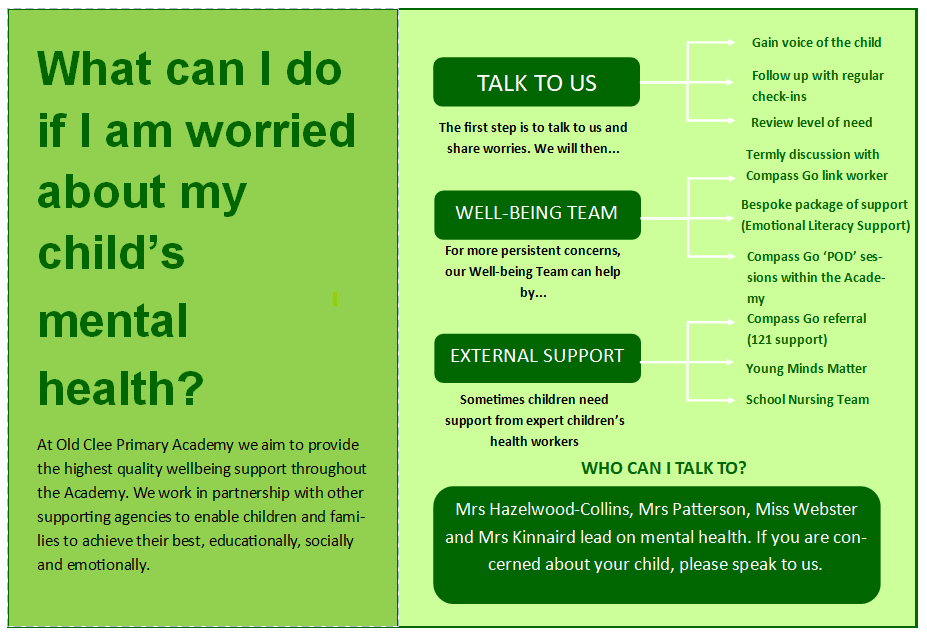
Though our staff are trained to offer support at school level, we cannot act as mental health experts and we do not try to diagnose conditions. We have clear systems and processes in place for identifying possible mental health concerns, including routes to escalate concerns and clear referral and accountability systems. We endeavour to create a safe and calm educational environment and strengthen resilience before serious mental health problems occur.
Wellbeing Award for Schools
We are delighted to announce that our school has successfully achieved the Award Place Wellbeing Award, recognising our commitment to promoting positive mental health and wellbeing across our whole school community. This accreditation reflects the importance we place on creating a safe, inclusive, and nurturing environment where every child, member of staff, and family feels valued and supported. Throughout the assessment process, we demonstrated how wellbeing is embedded in all aspects of school life, from our curriculum and pastoral support to pupil voice and staff wellbeing initiatives. Achieving this award is a testament to the dedication of our staff, the enthusiasm of our pupils, and the continued support of our families. We are incredibly proud of this achievement and remain committed to ensuring wellbeing continues to be at the heart of everything we do.
Anna Freud
Live Well NHS
School Nursing Team
The School Nursing service is available to children from the age of 4 and a half years, young people and their families. We work in partnership with GP’s, Schools, Family Hub Practitioners and various other professionals to meet identified needs and provide the best possible care.
Contact details
- School Nursing, William Molson Centre, Kent Street, Grimsby, North East Lincolnshire, DN32 7DJ
- Email: schoolnursingadvice@nelincs.gov.uk
- Telephone: 01472 323660
- Opening times: Monday to Friday 8:30am to 4:30pm, except bank holidays
COVID-19
- In light of the current pandemic and recent guidance from the Department of Health, School Nursing will be reducing its service.
- If you have any concerns about your child or wish to speak to a school nurse please call on 01472 323660 or email SchoolNursingAdvice@nelincs.gov.uk
Young Minds Matter
Parents and carers who are concerned about their children’s emotional wellbeing and mental health, there are several resources that can be accessed online or via the telephone to support with emotional wellbeing, including this website.
-
Young Minds Matter Children and young people's Mental Health and Wellbeing support
Voice of the Child
Coming soon..
Family Hubs
Family hubs bring together services to offer help and support to children and young people aged 0 to 19 and their families.
You and your child can use a local hub for: early education, activity sessions, childcare and childcare funding information, health services for children and soon-to-be parents, training and employment, support with childcare who have additional needs.
Extra help and support is available to families who need it, to work through issues that may arise during a child or young person’s life. This may be offered from professionals such as our advisers, health visitors, school nurses and other family support services.'
Follow the link below to find activities, drop ins & support that is available through the Family Hubs.
NSPCC
PANTS
The Talk PANTS campaign helps parents of 4-11 year-olds keep their children safe from abuse. Like the Green Cross Code, it takes a potentially tricky subject and gives parents the tools to talk about it in an engaging and age-appropriate way.
NSPCC - have you talked PANTS yet?
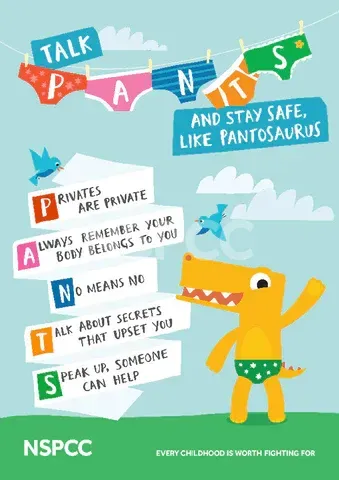
PANTS
The Talk PANTS campaign helps parents of 4-11 year-olds keep their children safe from abuse. Like the Green Cross Code, it takes a potentially tricky subject and gives parents the tools to talk about it in an engaging and age-appropriate way.
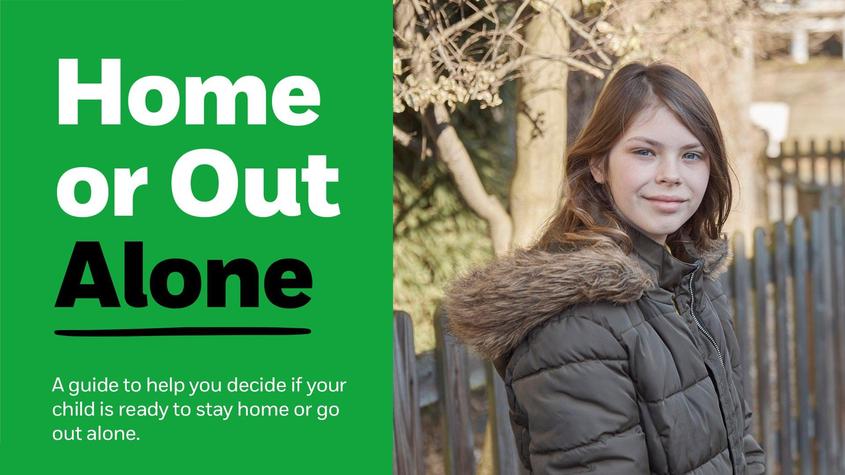
NSPCC - Home or out alone guide
Useful Website Links
Compass Go
Compass GO (Mental Health Support Team) works with children, young people, families and educational settings in North East Lincolnshire. We provide support, help and advice for pupils, students and schools for issues related to mental health and wellbeing.
Our work with educational settings includes providing advice, information and support to staff in promoting mental health and wellbeing. We also plan mental health awareness and promotion activities and events for pupils, including group work, assemblies and campaigns.
How can the service help you?
Compass GO… provides low intensity one-to-one interventions (approx. 8-12 sessions based on individual need) to pupils aged 5-18 with mild-to-moderate emotional health and wellbeing needs.
Compass GO… can support pupils with:
- Low mood: sadness, low motivation
- Mild to moderate anxiety: worries, irrational fears and concerns
- Common challenging behaviours: angry outbursts, pushing boundaries, frustration and distress
- Family and peer relationship difficulties
- Difficulty adjusting to change and transition
- Difficulty managing emotions
-
Compass Go Children's Mental Health Support Team